
Use this SOP to recognize domestic violence, protect the patient, complete the legally required report, and document care. Domestic violence can occur in any intimate relationship, including heterosexual or same-sex relationships and between current or former spouses or partners. Besa Health team members must respond without delay, respect the patient’s dignity and safety, and never allow internal notification to replace a required external report.
📚 Resources Needed
Emergency services: 911
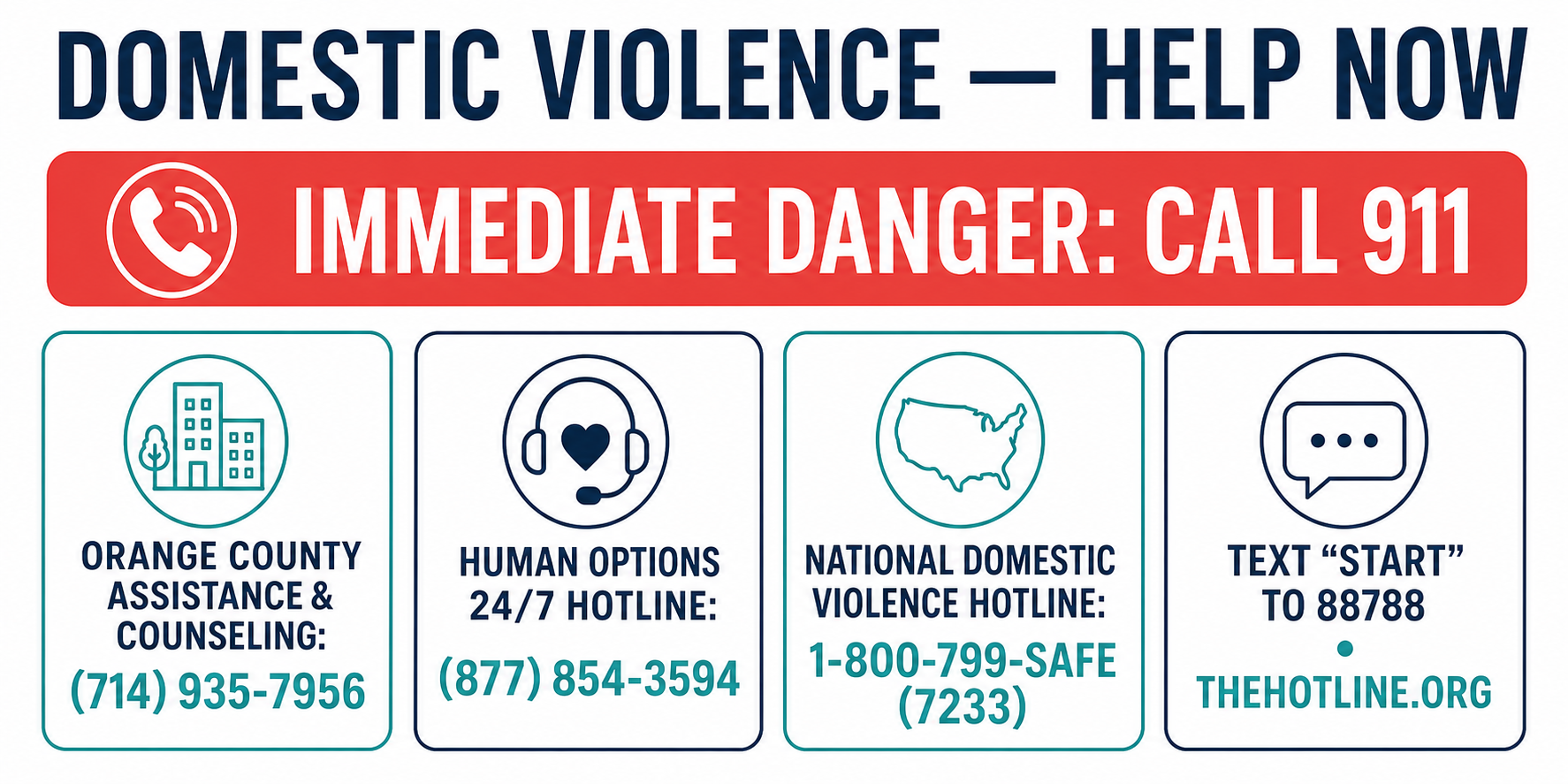
National Domestic Violence Hotline: 1-800-799-SAFE (7233); text “START” to 88788
Besa Health medical record and approved body map
Camera or approved clinical photography process, when indicated
Contact information for the police department in the city where the incident occurred
✅ Before You Start
If there is immediate danger, a life-threatening injury, or an active threat, call 911. Keep the patient in a safe area and do not leave the patient alone while the emergency or safety response is active.
Speak with the patient privately whenever it can be done safely. Do not confront the suspected abuser or disclose a safe location, safe telephone number, or report details to that person.
Provide urgent medical care within your role and training. Reporting is not a substitute for treatment, and internal notification is not a substitute for the required external report.
A health practitioner’s report is required when the practitioner provides medical services for a physical condition that the practitioner knows or reasonably suspects resulted from assaultive or abusive conduct. The patient cannot stop a report that is required under California law.
Obtain consent separately for examination, treatment of injuries, collection of evidence, and photography. A refusal of an evidence examination does not permit denial of treatment when the patient consents to treatment.
🚀 Tips & Tricks
Use the patient’s exact words. Record objective observations, injuries, the reported history, and who allegedly inflicted the injury without adding assumptions or blame.
Ask clear, trauma-informed questions in private. Avoid judgment, pressure, promises of secrecy, repeated questioning, or statements that could increase danger.
Confirm whether a telephone number, voicemail, email address, printed handout, or follow-up contact is safe before using it.
Have the patient’s name and whereabouts, the nature and extent of injuries, and the alleged perpetrator’s identity ready before calling law enforcement.
Use the current Cal OES 2-920 form and instructions. The source protocol calls this the OCJP 920 Suspicious Injury Report; Cal OES now publishes the current 2-920 version.
📘 Instructions
Step 1: Ensure Immediate Safety And Privacy
Assess for immediate danger, urgent medical needs, and whether the suspected abuser is present.
For immediate danger or life-threatening injury, call 911, provide care within scope, and remain with the patient. Never leave the patient alone during an active emergency or safety response.
Move the patient to a private setting when safe. Limit access to the patient and information to personnel involved in treatment, safety, and required reporting.
Notify the appropriate Besa Health leader for operational support, but do not delay or replace the required report.
Step 2: Recognize Domestic Violence
Domestic violence is a pattern of abusive behavior used by one partner to gain or maintain power and control over another intimate partner. It may consist of physical, sexual, emotional, economic, or psychological actions or threats that influence another person.
Domestic violence includes behavior that intimidates, manipulates, humiliates, isolates, frightens, terrorizes, coerces, threatens, blames, hurts, injures, or wounds another person.
Domestic violence—also called domestic abuse or family violence—occurs in a domestic setting such as marriage or cohabitation. Intimate partner violence may occur in heterosexual or same-sex relationships and between current or former spouses or partners.
Step 3: Identify Forms Of Domestic Violence
People who batter may use different coercive and abusive behaviors at different times. Some behaviors cause physical injury; other behaviors are emotionally or psychologically damaging even when no physical injury occurs.
A single incident of physical violence or a threat of violence may establish power and control. Nonphysical abusive and coercive behaviors can reinforce and strengthen that control.
The Power and Control Wheel, developed by the Domestic Abuse Intervention Project in Duluth, shows the relationship between physical and sexual violence and tactics such as intimidation, coercion, and manipulation. The wheel is available in many languages.
Physical violence is the use of physical force against another person. Examples include hitting, shoving, grabbing, biting, restraining, shaking, choking, burning, forcing drug or alcohol use, and assault with a weapon. Physical violence may or may not cause an injury requiring medical attention.
Sexual violence violates bodily integrity. Examples include coerced sexual contact, rape, prostitution, sexual assault, sexual harassment, sexually demeaning treatment, and other unwelcome physical, verbal, or nonverbal conduct of a sexual nature. Sexual abuse also includes limiting reproductive rights, such as preventing contraceptive use or forcing abortion.
Psychological abuse is characterized by intimidation, threats of harm, and isolation. Examples include damaging property, abusing pets, constant supervision, or controlling what the victim does and whom the victim speaks with. Spiritual abuse may be psychological abuse when spiritual or religious beliefs are misused to manipulate or control, such as using scripture to justify abuse or imposing a faith practice for the children that the partner did not agree to.
Emotional abuse undermines a person’s sense of self-worth. Examples include constant criticism, name-calling, embarrassing, mocking, humiliating, and treating the person like a servant.
Economic abuse makes or attempts to make the victim financially dependent on the abuser. Examples include preventing or forbidding work or education, controlling financial resources, and withholding access to economic resources.
Step 4: Apply Reporting Responsibilities
Everyone who has knowledge of abuse should report it. Designated professionals are required by law to report within the reporting duties that apply to their role.
The source protocol lists mandated reporters as all licensed healthcare professionals, including physicians, nurses, mental health professionals, EMTs, paramedics, and medical examiners; all employees in a long-term health facility; social workers; marriage and family counselors; teachers; clergy; employees of a protective-service or law-enforcement agency; and commercial film and photographic print processors.
For Besa Health clinical services, the health practitioner who provides medical services for a qualifying suspicious physical injury must make the required report. Do not wait for supervisor approval.
Failure to make a required report is a misdemeanor punishable by up to six months in jail, a fine of up to $1,000, or both.
Step 5: Obtain Consent And Provide Treatment
Obtain the patient’s consent for each applicable activity: examination, treatment of injuries, collection of evidence, and photography of injuries.
Inform the patient that the patient may refuse an examination for evidence of domestic violence or elder/dependent-adult abuse or neglect, including collection of physical evidence.
A refusal of the evidence examination is not a basis for denying treatment of injuries or disease when the patient wants and consents to treatment.
Explain that California law does not give the patient the right to refuse a report that the health practitioner is legally required to make.
Step 6: Make The Immediate Telephone Report
Immediately, or as soon as practical, call the police department in the city where the incident occurred.
Provide the facts known at the time, including the injured person’s name and whereabouts, the character and extent of the injuries, and the identity of the person who allegedly inflicted the injury when known.
Document the date and time of the call, the police department, and the name and badge or identification number of the person who received the report when available.
Step 7: Complete And Submit The Written Report
Open the current Cal OES 2-920 Mandated Suspicious Injury Report and follow the Cal OES 2-920 Instructions.
Complete the form accurately and submit the written report to the police department in the city where the incident occurred within 48 hours. Current Cal OES instructions describe this deadline as within two working days; Besa Health follows the stricter 48-hour internal deadline so both requirements are met.
Do not delay the telephone report while completing the written form. Keep any permitted copy according to Besa Health privacy, security, and record-retention requirements.
Step 8: Document The Medical Record
Reporting is not a substitute for thorough medical-record documentation. The medical record is generally a more valuable source of documentation for legal cases and is critical to the patient’s ongoing care.
Record all comments by the injured person about prior domestic violence and the name of the person reported to have inflicted the injury.
Include a body map that shows and identifies all injuries and bruises.
Place a copy of the reporting form in the record when permitted by applicable privacy, confidentiality, and record-handling requirements.
Also document examination and treatment consent, any refusal of evidence examination or photography, care provided, photographs taken, evidence collected, referrals, safety information, reporting dates and times, the receiving agency, and the patient’s disposition.
Step 9: Offer Support And Resources
Provide support resources only in a manner that is safe for the patient. Do not leave printed materials, voicemail messages, portal messages, or call records where an abusive person may discover them.
Offer Orange County Assistance & Counseling at (714) 935-7956 and the Human Options 24/7 Hotline at (877) 854-3594.
Offer the National Domestic Violence Hotline at 1-800-799-SAFE (7233), text “START” to 88788, or online help at TheHotline.org.
If the patient is not ready to accept resources, respect that choice while completing any legally required report and documenting the resources offered.
🛠 Troubleshooting
The Patient Is In Immediate Danger
Call 911, move the patient to safety when possible, provide urgent care within scope, and stay with the patient. Do not leave the patient alone.
The Suspected Abuser Is Present
Do not confront the person. Use a neutral, clinically appropriate reason to speak with the patient privately, involve emergency or law-enforcement support when needed, and protect the patient’s safe contact information and location.
The Patient Refuses An Evidence Examination
Respect the refusal of the evidence examination or physical-evidence collection. Do not deny treatment when the patient consents to treatment, and complete any legally required report.
The Patient Does Not Want A Report Made
Explain the reporting duty calmly. The patient cannot stop a report required by California law. Share only the information required for reporting, treatment, and safety.
The Incident Occurred In Another City
Contact the police department in the city where the incident occurred. If the correct agency is uncertain, call local law enforcement for routing assistance without delaying the report.
The Form Or Website Is Unavailable
Make the telephone report immediately or as soon as practical. Obtain the current Cal OES 2-920 form from the police department or the Cal OES Victim Services Forms page and submit it within the required timeframe.
✅ Completion Check
Immediate safety and urgent medical needs were addressed, and the patient was not left alone during an active emergency or safety response.
The patient was interviewed privately when safe and consent was obtained separately for examination, treatment, evidence collection, and photography as applicable.
Any refusal of an evidence examination was honored without denying consented treatment.
The required telephone report was made immediately or as soon as practical to the police department in the city where the incident occurred.
The current Cal OES 2-920 written report was submitted within 48 hours and no later than two working days.
The medical record contains the patient’s comments about prior domestic violence, the alleged perpetrator’s name, a body map of injuries and bruises, and a permitted copy of the report form.
Reporting details, consent, refusals, examination and treatment, evidence or photographs, resources, disposition, and follow-up were documented as applicable.
Safe, current resource information was offered without increasing risk to the patient.
References
Forms: Cal OES 2-920 Mandated Suspicious Injury Report • Cal OES 2-920 Instructions • Cal OES Victim Services Forms
Resources: Orange County Domestic Abuse Services & Safety Plan • Human Options 24/7 Hotline • National Domestic Violence Hotline • Power And Control Wheel Library
Law: California Penal Code § 11160
Source: CalOptima Provider FSR/MRR Binder, pages 99–101 • Rev. Jun 18, 2020
Comments (0)